Between Two Worlds

Where Heaven Meets Earth: Grand Canyon, U.S.A.

It has been almost two decades since I decided to make America my second home. Moving here in the United States from the Philippines was a whirlwind. I mean, sure, I was excited about starting a new chapter in my life, but nothing quite prepared me for the cultural shock.

The shift was monumental, from the vibrant and close-knit community back home to this fast-paced, most of the time isolating American life. It was like I was straddling two worlds, caught between the familiarity of my roots and the newness of this adopted home.

The initial days were tough. Should I say weeks, months, or better yet, years, simple things like food, language, and social norms felt extremely different. There were moments when I longed for the comfort of our then quiet streets in Dipolog or at times the bustling streets of Cebu where I spent most of my teen years, the aroma of Filipino dishes, and the warmth of familiar faces. I missed the fiestas, the language that echoed home, the deep-rooted traditions that felt like an extension of who I truly am.

Navigating my new space while preserving my cultural identity became a balancing act. I found solace in connecting with fellow immigrants, sharing stories of similar experiences. But even within the immigrant community, each journey was distinct, shaped by our unique backgrounds and struggles.

Amidst the cultural adjustment and longing for the familiar, finding meaningful connections and relationships in the fast-paced U.S. life posed a significant challenge. The pace here sometimes felt overwhelming, leaving very little time for forging deep connections.

Building friendships that echoed the camaraderie and closeness of my Filipino community back home was tough. In the Philippines, relationships often grew organically, nurtured over time through shared experiences, and an inherent sense of closeness. Here, the pace demanded quick interactions, making it harder to establish those deep, rooted connections.

The challenge of finding that sense of belonging in friendships and relationships was a rollercoaster. It demanded patience, resilience, and sometimes stepping out of my comfort zone to bridge the cultural gaps. Yet, over time, I learned to cherish the friendships I made, valuing the diversity in perspectives and experiences they brought into my life. These relationships, though different from what I was accustomed to, became an integral part of my American journey.

The ache for home was realโ€”homesickness hit hard, especially during holidays and milestones when I couldn’t help but miss the familiar celebrations and the people who made them special. It took time to find a way to blend my heritage with the American way of life, to create a hybrid identity that felt genuine and true to myself.

Despite the hardships, this journey taught me resilience and opened my eyes to diverse cultures. I discovered strength in embracing both worlds, finding beauty in the fusion of my Filipino, Chinese, and Spanish heritage with the American way of life. It is an ongoing journey, but I have learned to cherish the richness of my roots while embracing the opportunities and experiences that come with living in the United States.
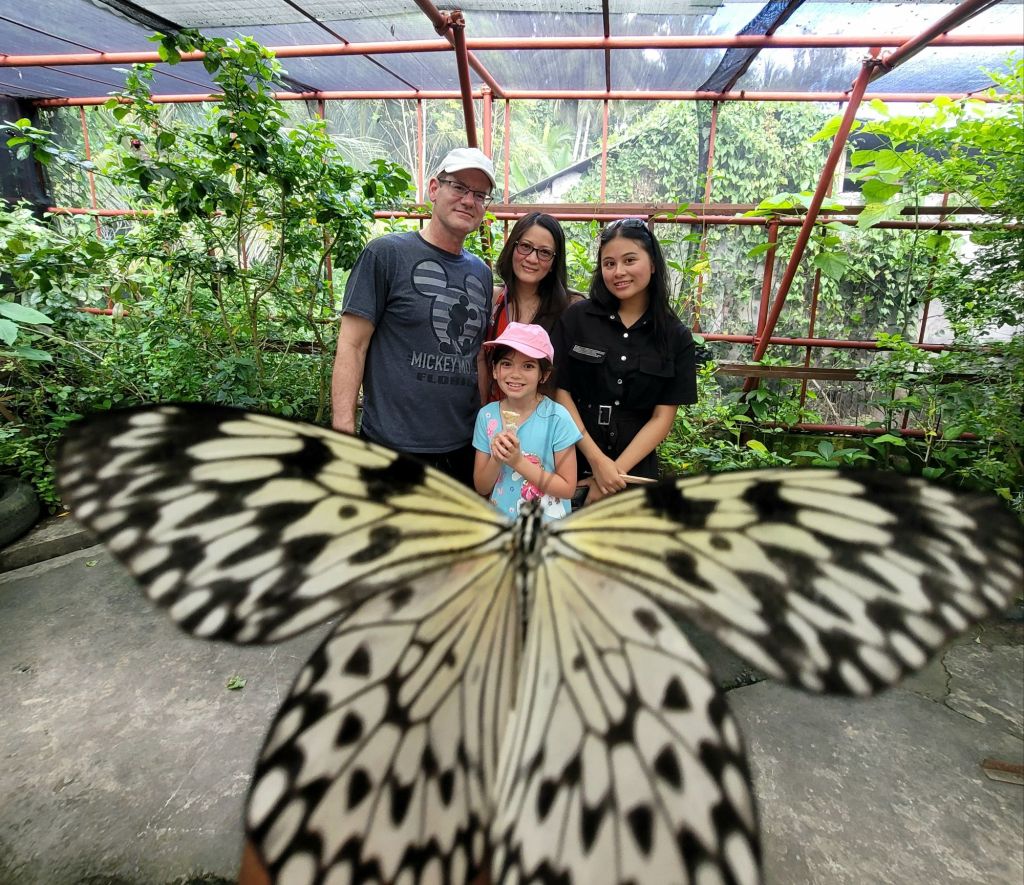
Metaphors in Flight: Butterfly’s Journey as Reflection of Family Life

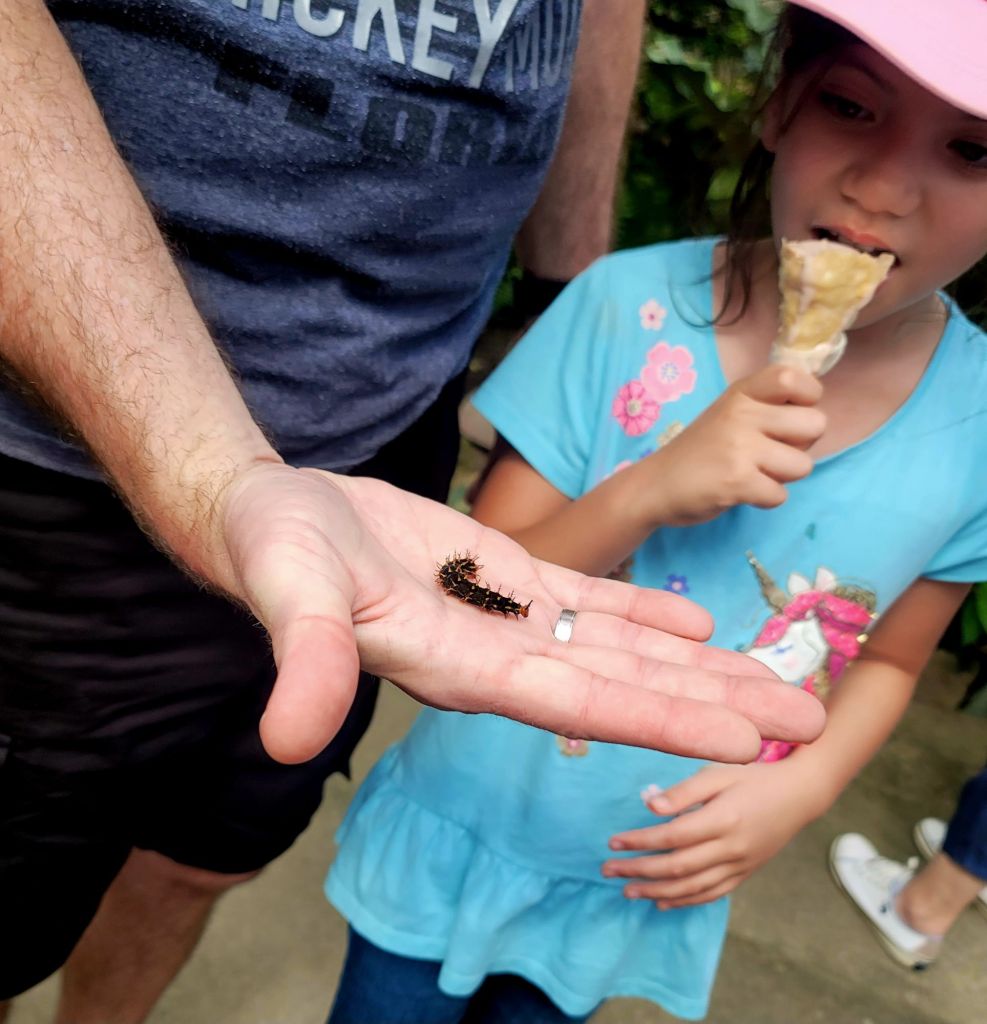
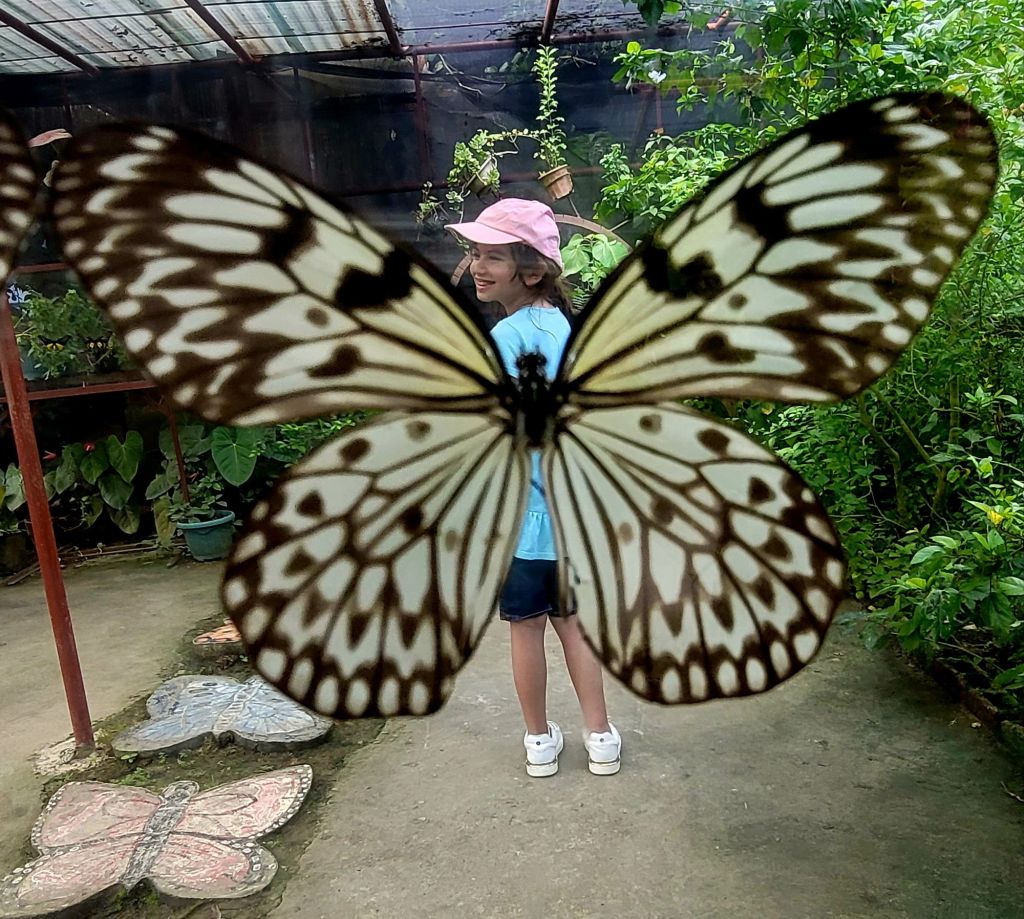
Butterfly Sanctuary

The life of a butterfly mirrors the essence of family life through its phases. Just as a butterfly undergoes transformation, families evolve, adapt, and grow.

The egg stage symbolizes the anticipation and beginnings within a family. It represents the inception of new life and the hopeful expectations for what’s to come. The caterpillar phase signifies growth, learning, and development within the family unit. Like the caterpillar, family members experience various stages of growth, gaining knowledge and skills along the way.

The chrysalis stage reflects change and transformation, as families face challenges and transitions. This phase might be akin to significant life events, such as moving homes, changes in careers, or personal growth within family members.

Lastly, the emergence of the butterfly embodies the fulfillment and achievements within a family. It represents the beauty, strength, and unity that come from enduring hardships and transformations together. Just as a butterfly takes flight, families soar through life’s challenges, embracing their unity and resilience.

Throughout its stages, a butterfly’s life parallels the intricate tapestry of family lifeโ€”full of growth, adaptation, and the beauty of transformation.

Vibrant Blooms Amidst Nature’s Splendor: Exploring Sirao Flower Garden in Cebu, Philippines


In the heart of the Philippine archipelago lies a paradise of colors and scents, a place where nature’s canvas blooms into a breathtaking spectacle. Sirao Flower Garden, nestled within the highlands of Cebu in the Philippines, is a haven for flower enthusiasts and wanderers seeking solace amidst a riot of vibrant hues.

Tucked away in the barangay of Sirao, this botanical wonderland is affectionately known as the “Little Amsterdam of Cebu” for its resemblance to the tulip gardens in the Netherlands. A scenic drive away from the bustling city of Cebu, the garden is a refreshing escape into a world adorned with an assortment of flowers, each adding its unique charm to the landscape.

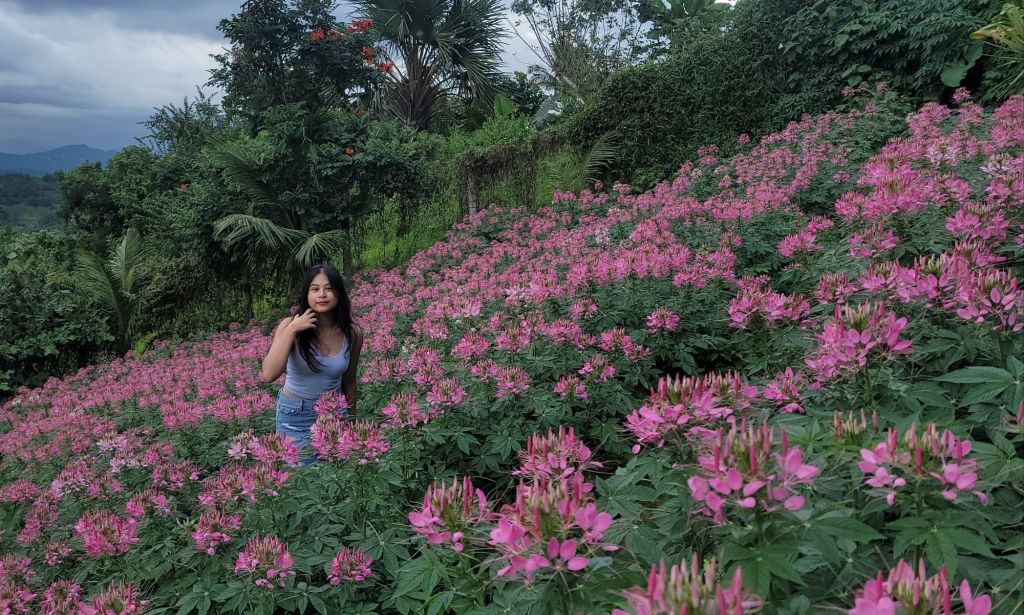
Upon entering Sirao Flower Garden, visitors are immediately greeted by a panorama of colors. Endless rows of blossomsโ€”roses, sunflowers, celosia, and an array of tropical floraโ€”paint a mesmerizing mosaic against the backdrop of lush greenery. The symphony of colors is accompanied by the sweet fragrance of blooms wafting through the air, captivating all senses and evoking a sense of serenity.

What sets Sirao Flower Garden apart is its vibrant mix of indigenous Philippine flowers alongside exotic varieties, creating a tapestry of biodiversity that mirrors the country’s rich natural heritage. The meticulous arrangement of flowers in various patterns and designs not only pleases the eye but also serves as a testament to the artistry of the gardeners who nurture this floral paradise.

Beyond its visual allure, Sirao Flower Garden offers a sanctuary for weary souls seeking tranquility amidst nature’s embrace. Visitors can wander through the pathways, pausing to capture Instagram-worthy snapshots or simply bask in the beauty of the blossoms. The garden’s serene ambiance makes it an ideal spot for meditation, photography enthusiasts, or even a peaceful afternoon picnic surrounded by nature’s finest creations.

Moreover, the garden serves as more than just a tourist attraction. It has become a symbol of community empowerment and sustainable tourism in the region. The locals, recognizing the potential of their natural resources, have transformed their land into a flourishing destination, creating livelihood opportunities while preserving the environmentโ€”a model of responsible tourism worth emulating.

As the sun sets over Sirao Flower Garden, a magical transformation takes place. The golden hour bathes the garden in a warm glow, casting long shadows that accentuate the beauty of the blooms. Visitors witness nature’s enchanting display, a canvas painted with hues that seem to dance with the fading light, leaving an indelible impression on every heart that embraces this natural spectacle.

In essence, Sirao Flower Garden is not merely a collection of flowers; it’s a testament to the harmonious blend of nature’s bounty and human creativity. It’s a reminder of the beauty that surrounds us, waiting to be explored and cherished. For those who step into this floral paradise, it’s an invitation to pause, appreciate, and find solace in the simple yet profound magnificence of nature.

So, whether one is a botany enthusiast, a nature lover, or simply someone seeking moments of tranquility, Sirao Flower Garden stands as a beaconโ€”a living masterpiece that beckons all to immerse themselves in the vibrant tapestry of nature’s wonders.

Unveiling the Enchanting Philippines: A Tale of Filipino-American Children’s Unspoken Affection

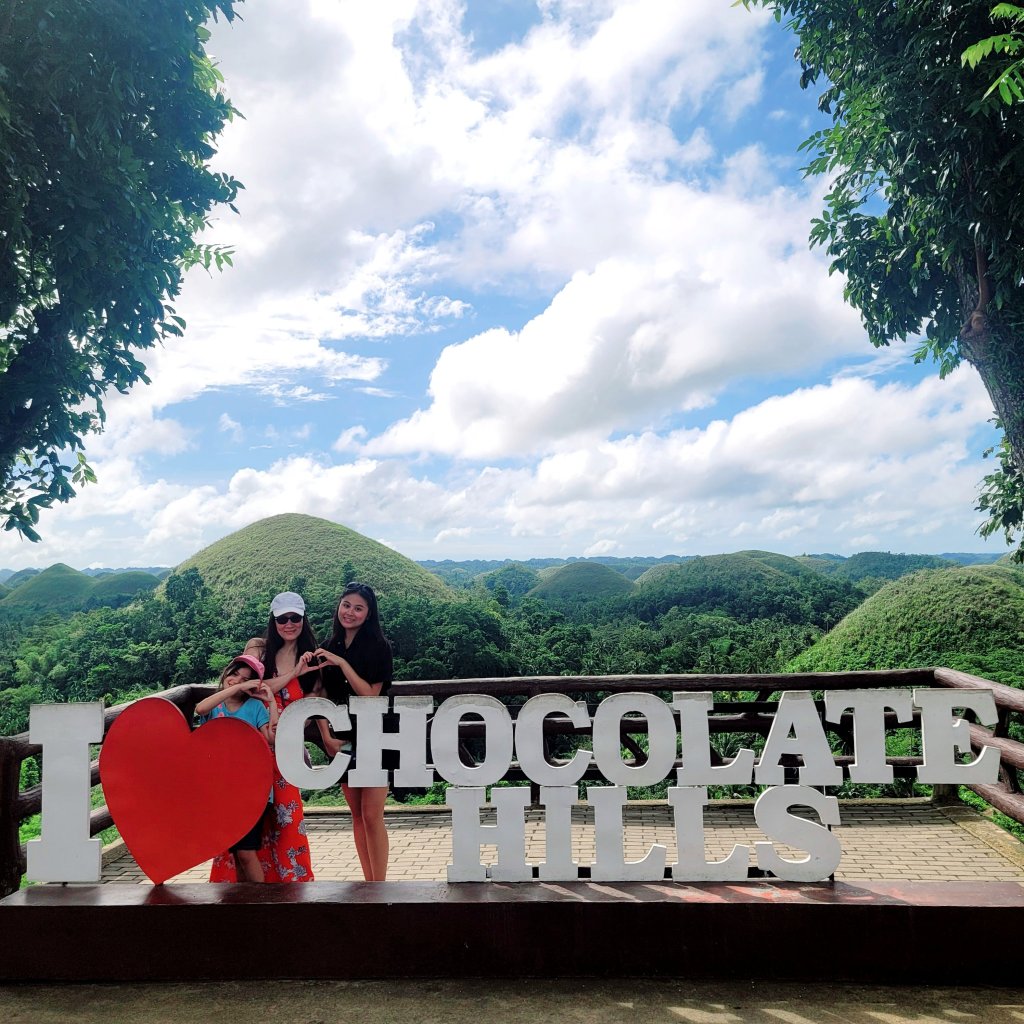
Chocolate Hills, Bohol

The Philippines, a land teeming with natural wonders and cultural richness, possesses an undeniable allure that captivates the hearts of those who set foot on its soil. For Filipino-American children born and raised in the United States, the first encounter with their ancestral homeland often unveils a deep-seated affection that grows within them, unspoken yet profound.

Swimming with Whale Sharks, Oslob, Cebu

Stepping onto Philippine shores for the first time, these children are greeted by a symphony of experiences that resonate with their heritageโ€”vibrant colors, warm smiles, and a palpable sense of familiarity that stirs emotions they didn’t know they carried. The sights and sounds evoke a sense of belonging, a connection to a place their parents fondly spoke of, a place that suddenly feels like an extension of their identity.

Plantation Bay, Cebu

Amidst the picturesque landscapesโ€”pristine beaches, lush mountains, and bustling citiesโ€”their hearts find solace in the embrace of a culture that resonates with their roots. The aromatic flavors of Filipino cuisine, the heartfelt warmth of “kamustahan” (casual conversations), and the traditions passed down through generations create a tapestry of experiences that feels like coming home to a place they’ve never been.

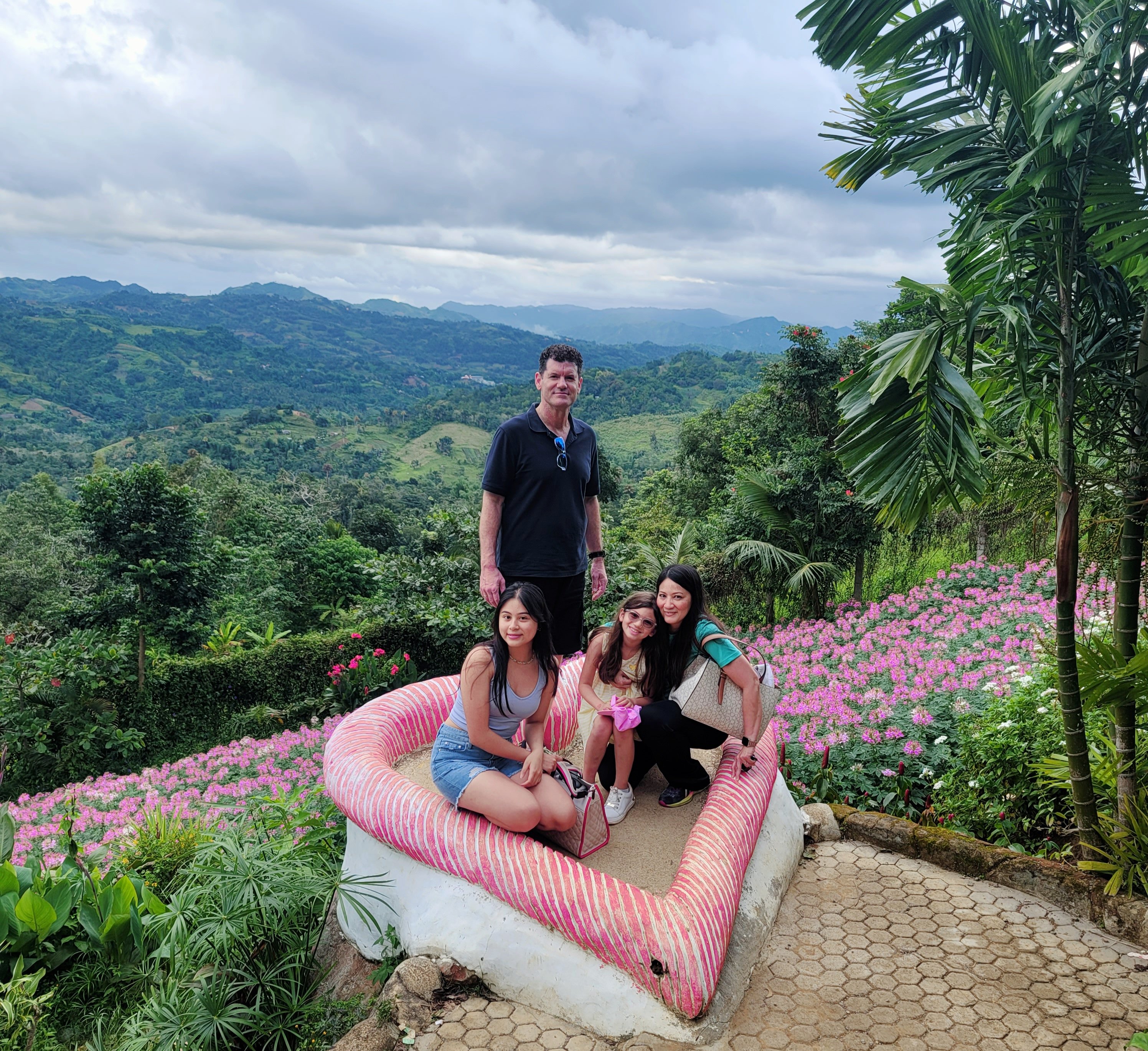
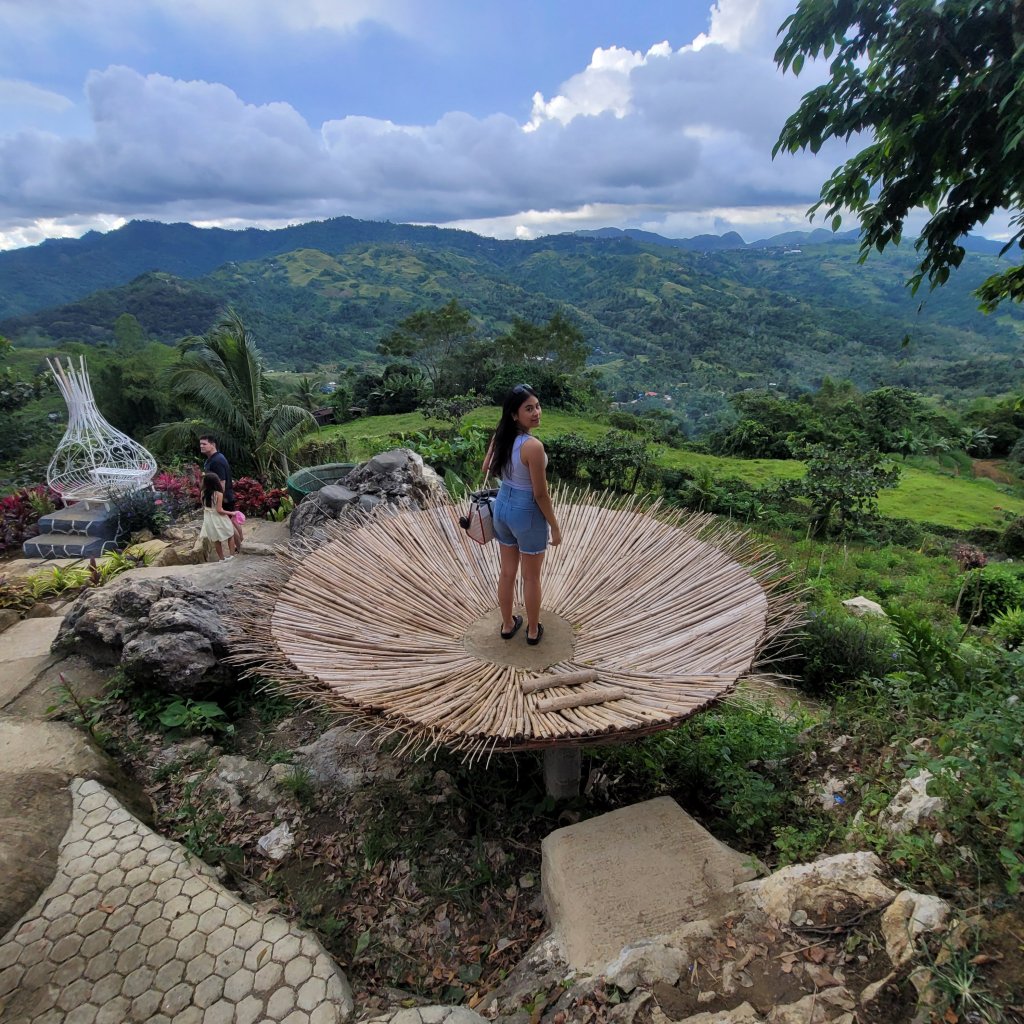
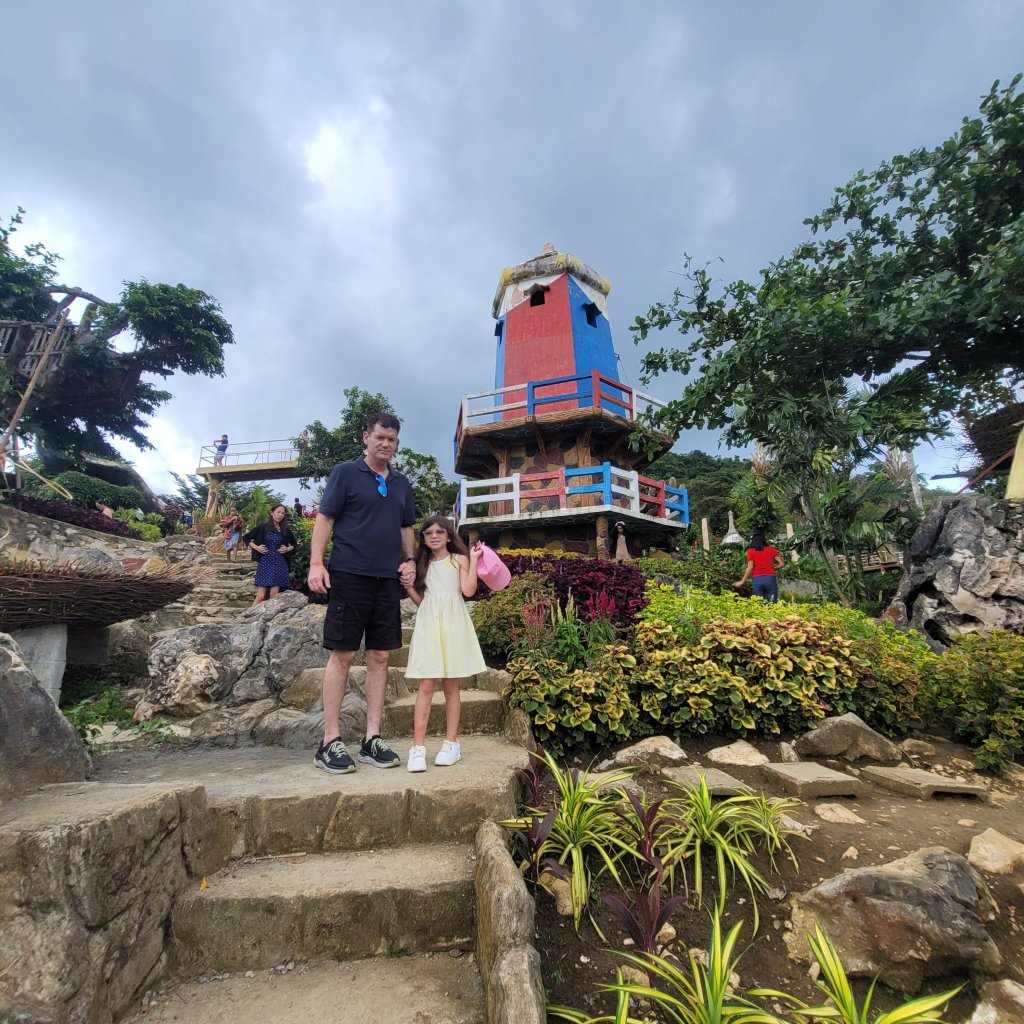
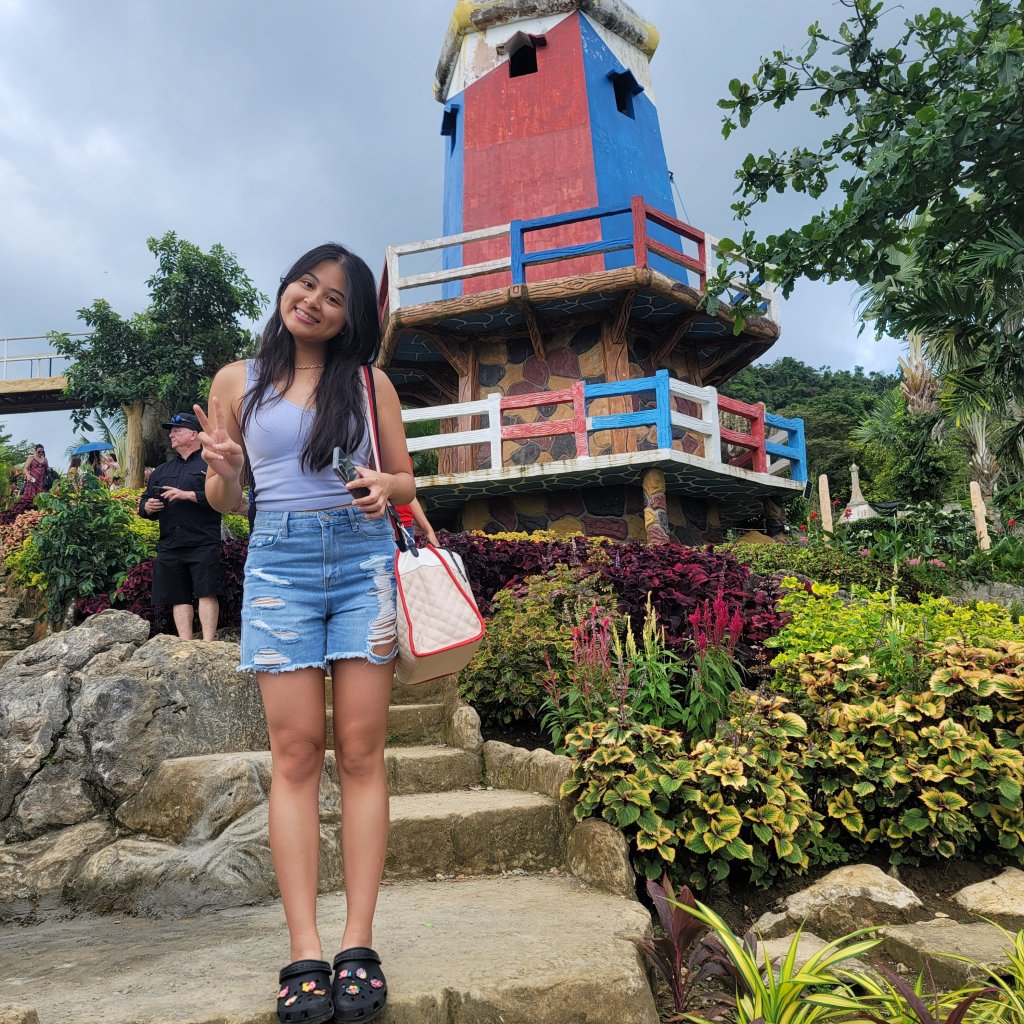
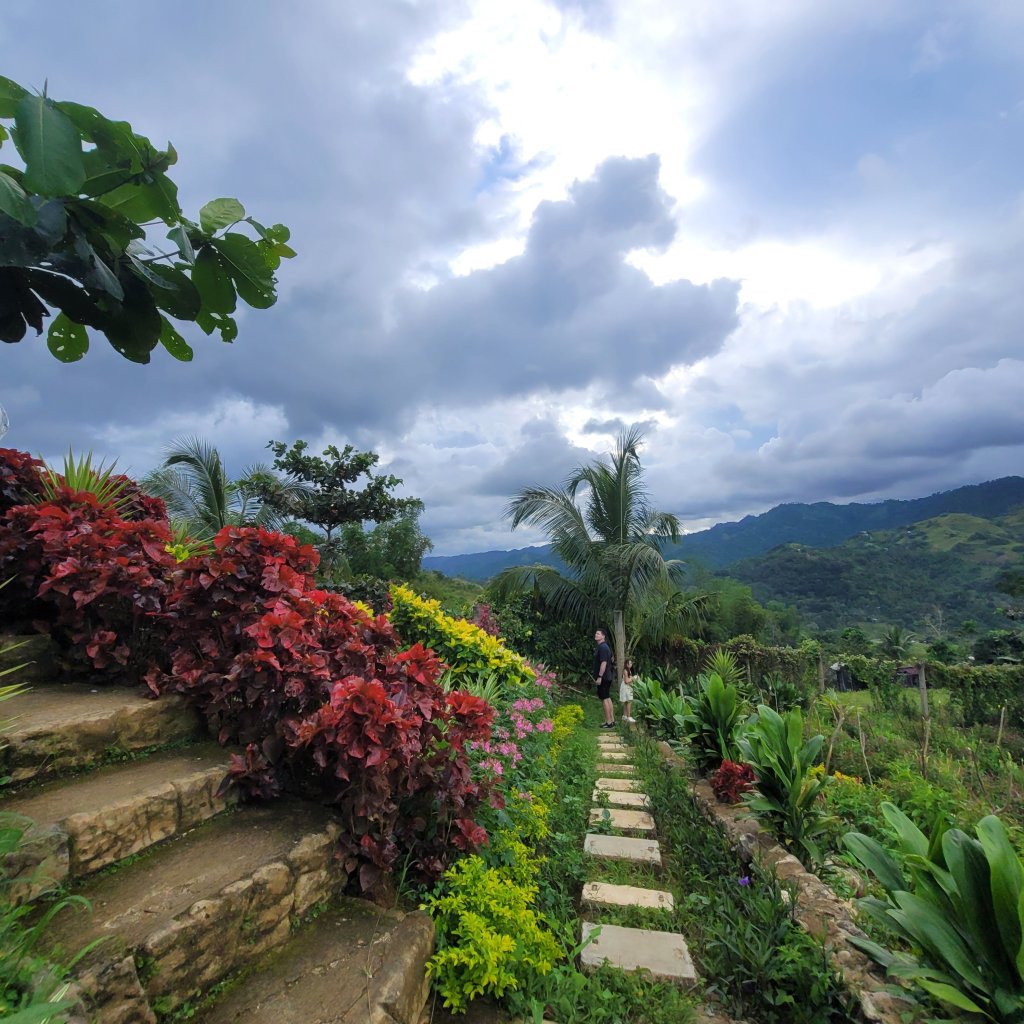
Sirao Flower Garden, Cebu

Each moment spent in the Philippines becomes a treasure trove of memoriesโ€”a dive into the rich tapestry of Filipino culture, traditions, and familial bonds. Exploring heritage sites, partaking in fiestas, or simply relishing in the simplicity of everyday life ingrains a sense of nostalgia that lingers long after they’ve returned to the States.
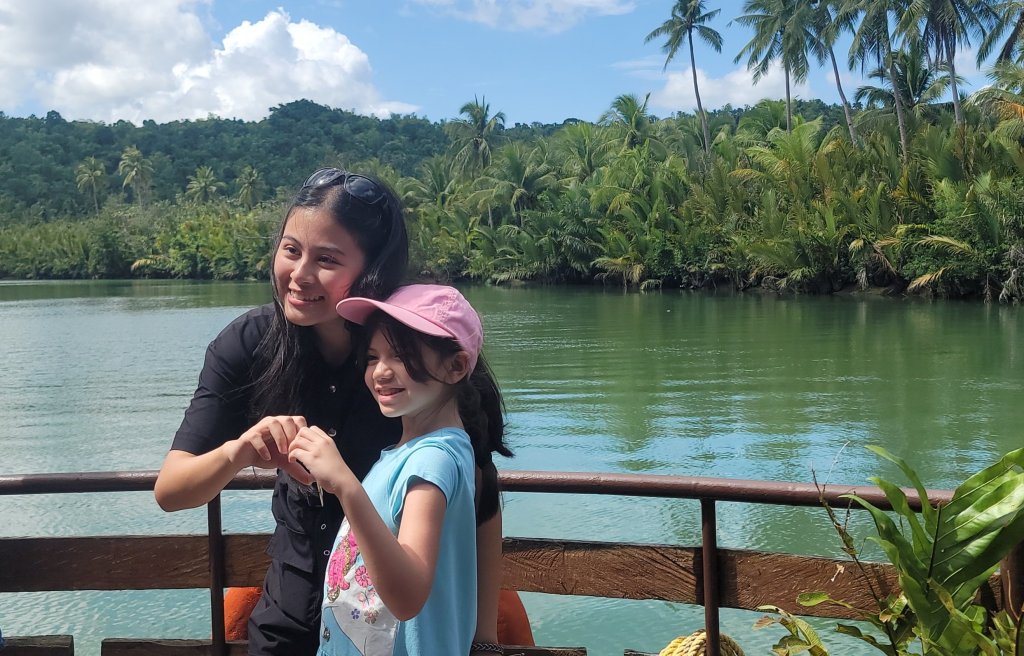
Loboc River Cruise, Bohol

Yet, bidding farewell to the Philippines at the end of their vacation becomes an emotional challenge. The indelible mark left by the beauty of the islands and the warmth of its people tugs at their hearts, creating a longing for a place that feels like a piece of their own story left behind. The transition back to their American lives feels like a departure from a part of themselves, a bittersweet separation until the next reunion with their beloved homeland.

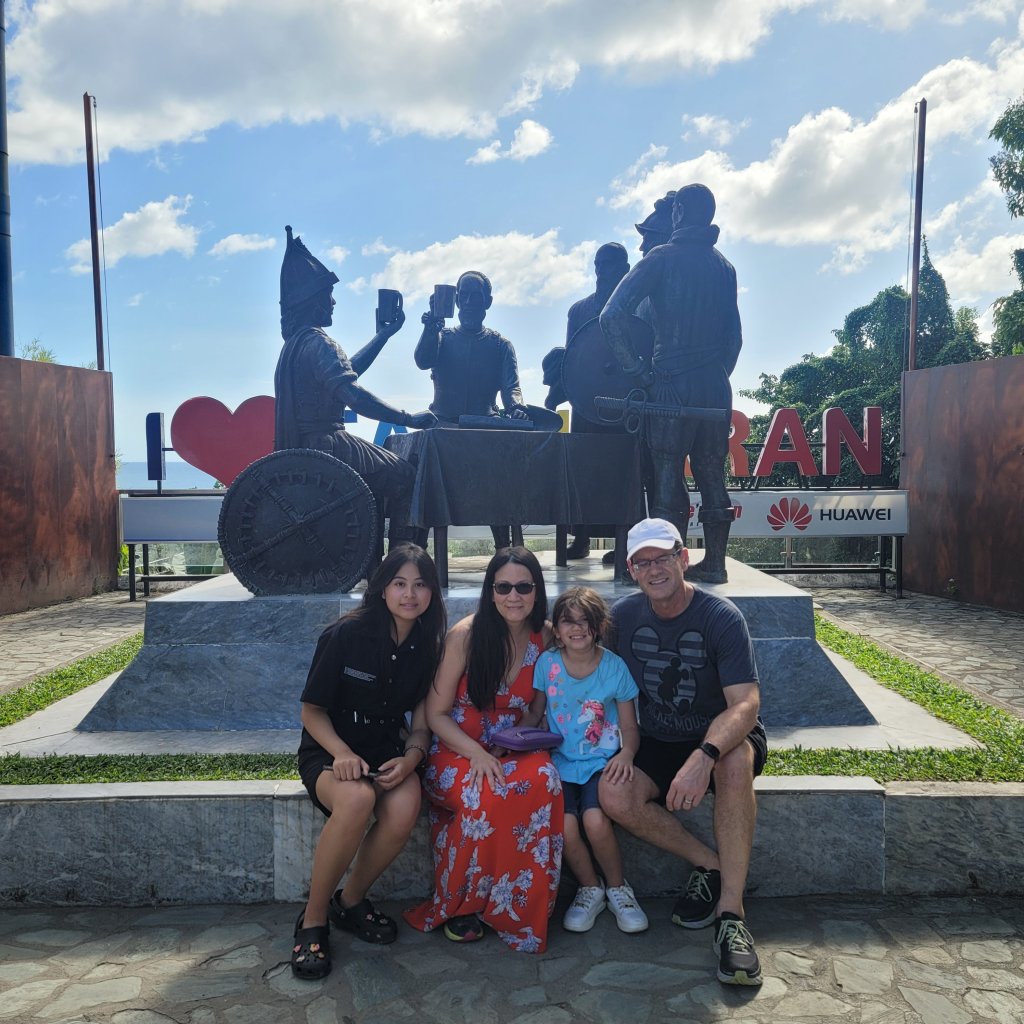
Sandugo or Legazpi-Sikatuna Blood Compact Site, Bohol, Philippines

The struggle to articulate this unspoken affection for the Philippines is profound. It’s an emotion entwined with the complexities of cultural identity, a silent yearning to hold onto the memories, the feelings, and the sense of belonging that blossomed during their stay.

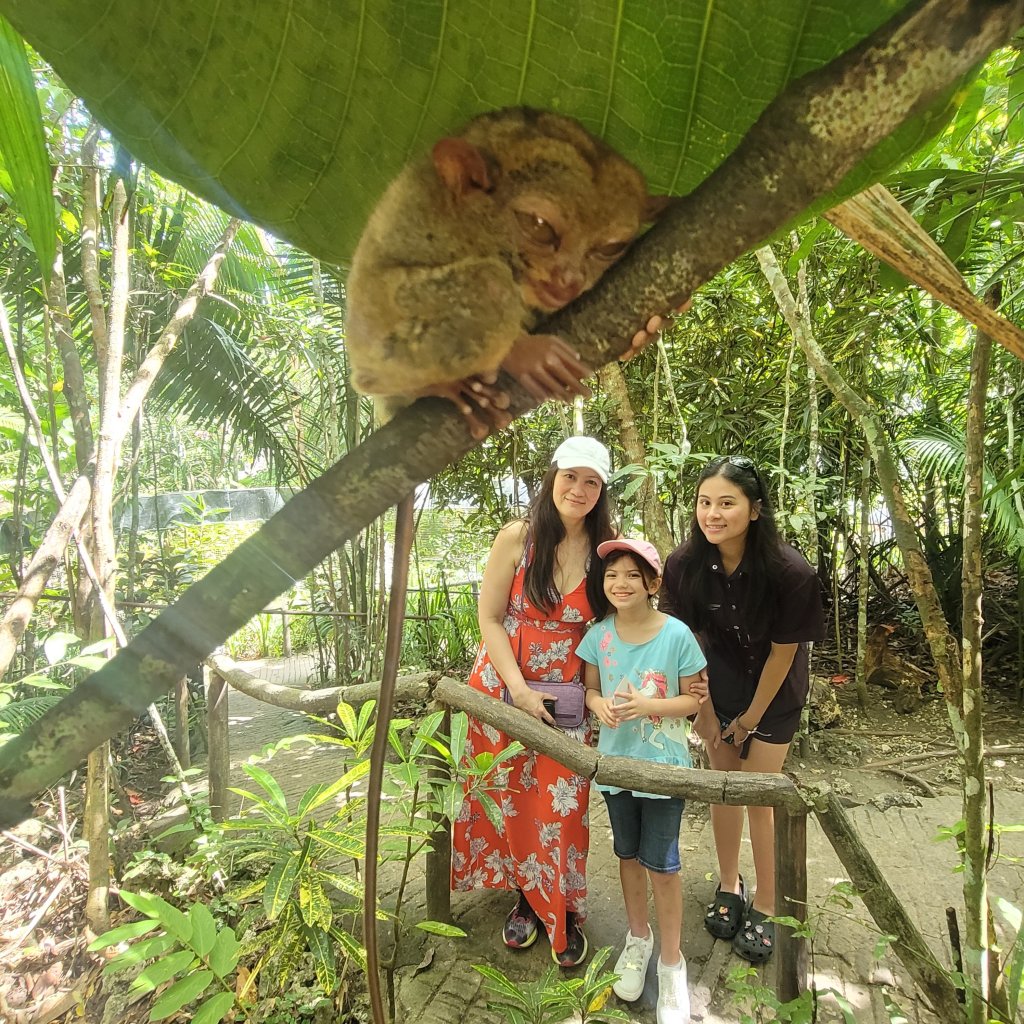
Tarsier Conservation Park, Bohol

Yet, amidst the difficulty of bidding adieu, there’s an unspoken promiseโ€”a vow to return, to reconnect, and to immerse themselves once again in the enchanting beauty of the Philippines. It becomes a beacon of hope, a constant reminder that while goodbyes may be challenging, they pave the way for joyous reunions, embracing the homeland’s splendor time and again.

Cebu Ocean Park, Cebu

For these Filipino-American children, their journey to the Philippines is not just a vacation; it’s an awakeningโ€”a realization of the profound love they carry for a land that whispers stories of their heritage, leaving an indelible mark on their hearts until their paths intertwine again in the embrace of their beloved Philippines.

Lapu-lapu City, Mactan Island

Embracing Diversity: Western Men and Eastern Women Cultivating Unconditional Love


In a world where borders blur and cultures intersect, the convergence of a Western man and an Eastern woman marks a unique, beautiful union. This encounter is not merely a collision of individuals but an intersection of divergent cultural landscapes. It’s a narrative that transcends geographical boundaries, a testament to the human capacity to connect beyond differences in upbringing, values, and societal norms.

Western societies often prioritize individualism, valuing autonomy, and personal expression. On the other hand, Eastern cultures often emphasize collectivism, familial harmony, and traditions deeply rooted in history. These differences create a rich tapestry of perspectives, where contrasts coexist, offering a unique vantage point to view the world.

Their initial meeting may be happenstance or a deliberate effort to explore the unknown. The intrigue lies in discovering the unfamiliar, sparking curiosity that sets the stage for their unique connection. Initial conversations might reveal stark contrasts, igniting fascination and a mutual desire to understand each other’s worlds.

As they traverse this cross-cultural landscape, challenges emerge. Misinterpretations due to varying communication styles or differing interpretations of gestures and customs become evident. Yet, their commitment to understanding one another deepens. They embark on a journey of mutual learning, gradually decoding the intricacies of their respective cultures.

Their emotional journey is multifaceted, navigating through moments of confusion, epiphany, and enchantment. As they peel back layers of cultural disparity, emotions intensify, creating a bond founded on genuine curiosity and respect for each other’s backgrounds.

Their love transcends the boundaries of cultural norms. As they embrace each other’s differences, a profound connection forms. Shared values, irrespective of cultural origins, such as compassion, kindness, and empathy, become the cornerstones of their relationship.

They face societal scrutiny, familial expectations, and occasional misunderstandings. Cultural disparities sometimes strain their relationship, requiring patience and understanding. Yet, their commitment to each other and their shared journey empowers them to overcome these challenges.

Their relationship becomes a testament to the strength found in diversity. Combining the Western ethos of individualism with Eastern collectivism, they create a unique synergy. The diverse perspectives they bring to the table enrich their lives, fostering personal growth and a deeper understanding of the world.

Their relationship becomes a canvas where they paint a portrait of cultural fusion. They celebrate festivities from both cultures, honor traditions, and intertwine practices, creating a unique amalgamation that defines their shared life.

Early Exposure to Nature Develop Consciousness and Love for the Earth

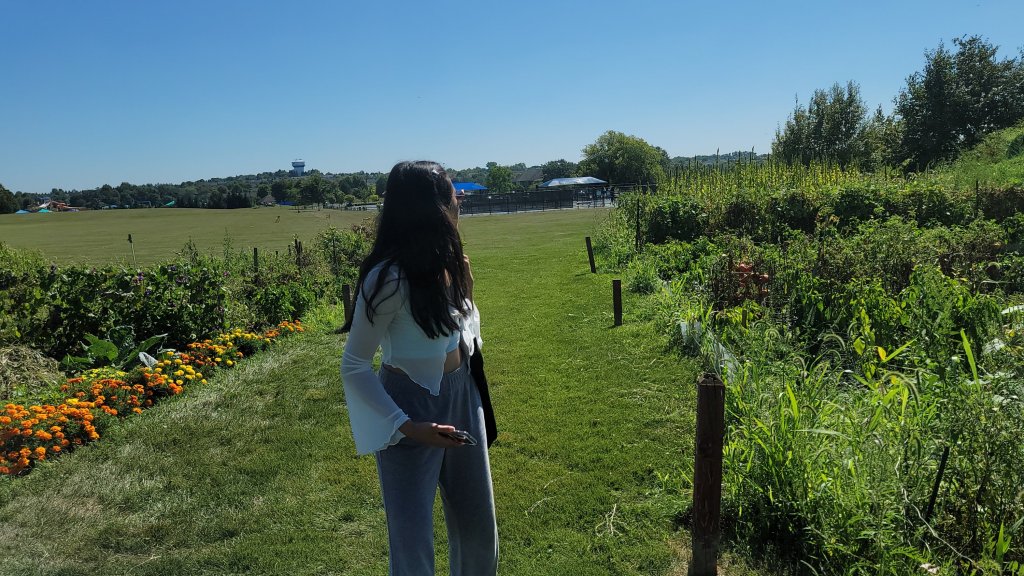
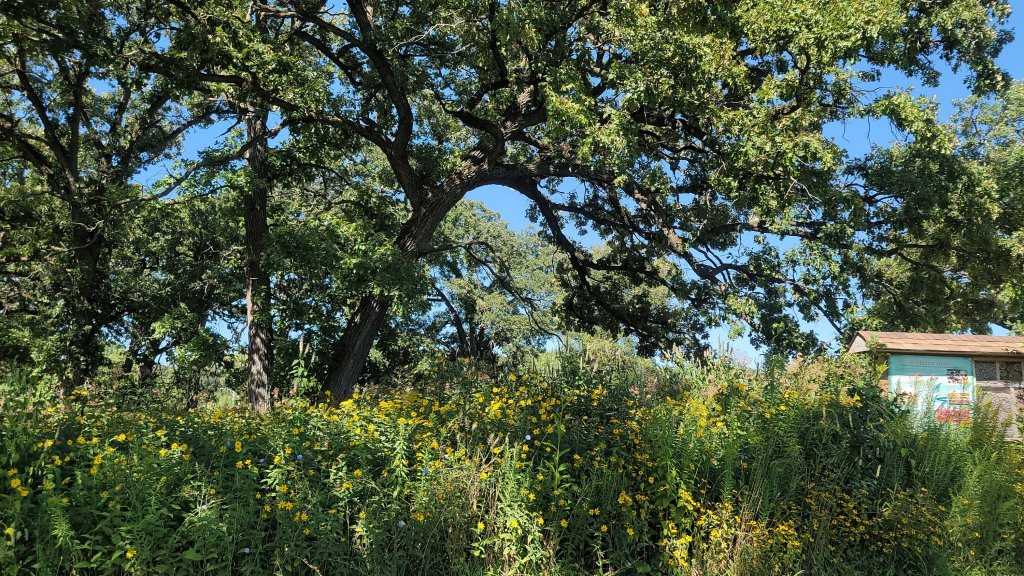
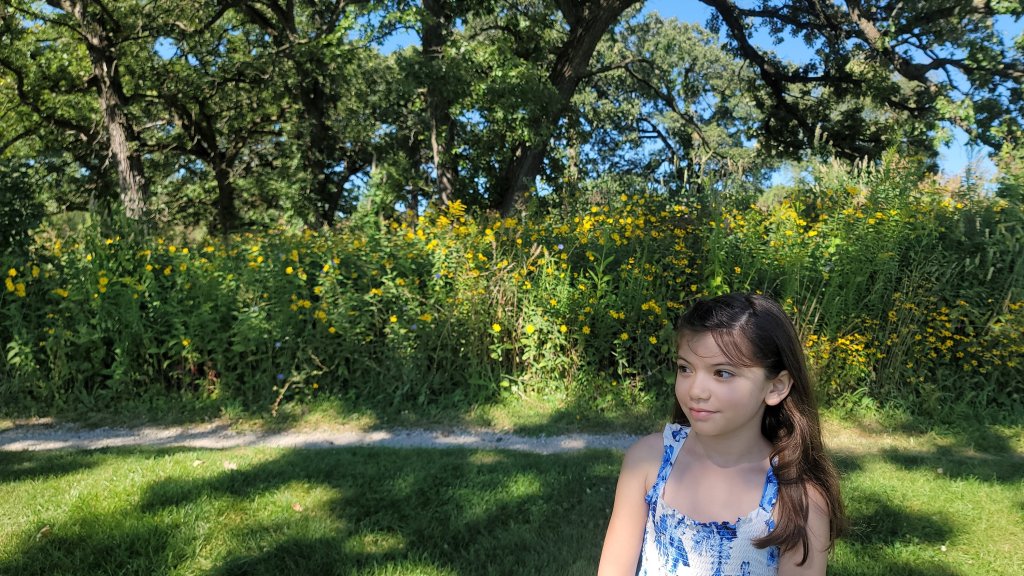
Hickory Knolls Discovery Center

In a world increasingly dominated by screens and urban landscapes, fostering a deep connection with nature has never been more crucial. Early exposure to the natural world can shape a child’s consciousness and instill a profound love for the Earth. Introducing children to nature from a young age contributes to the development of environmental consciousness and a lifelong commitment to preserving our planet.

Benefits of Early Nature Exposure

The numerous advantages of exposing children to nature at a young age include:

  1. Physical Health: Explain to your children how outdoor activities promote physical health, encourage them to be active, and discuss the importance of developing a strong connection to their bodies.
  2. Mental Well-being: Discuss with your children how spending time in natural settings can reduce stress, anxiety, and symptoms of attention deficit disorders in children.
  3. Creativity and Imagination: Take your children on adventure trips to explore how nature stimulates creativity and imagination, fostering problem-solving skills, and a sense of wonder.
  4. Environmental Awareness: Explain to your children how early exposure to nature builds awareness of ecological systems and the importance of biodiversity.

Ways to Introduce Children to Nature

  1. Outdoor Play: Encourage unstructured outdoor play in parks, gardens, and natural spaces.
  2. Nature Walks: Take regular nature walks or hikes as a family.
  3. Gardening: Involve children in gardening activities to teach them about plants and ecosystems.
  4. Camping and Wilderness Adventures: Share the joys of camping and wilderness exploration.
  5. Animal Interactions: Visit zoos, wildlife sanctuaries, or farms to learn about animals and their habitats.

Nurturing Environmental Consciousness

Early nature exposure can lead to environmental consciousness by helping children develop empathy for the Earth and its creatures. Highlight the importance of teaching them about environmental issues, conservation efforts, and sustainability practices.

The Role of Education

Schools and educational institutions can play a vital role in reinforcing a child’s love for nature and environmental consciousness through nature-based curricula, field trips, and outdoor education programs.

Sustaining the Connection

Emphasize the importance of sustaining this connection to nature as children grow older. Encourage other parents to continue nurturing their child’s love for the Earth by integrating nature into their lives and routines.

Early exposure to nature is a gift we can give our children that will last a lifetime. It nurtures a deep consciousness of the environment and a love for the Earth, instilling values that can shape responsible, environmentally-conscious citizens.

By immersing children in the beauty and wonder of the natural world, we empower them to become stewards of our planet, protecting and preserving it for future generations. So, take your child’s hand, step outside, and embark on a journey of discovery and adventure.

Resilient Leadership in the Laboratory: Navigating Tough Times with Grace

In the heart of healthcare, the laboratory stands as a cornerstone of diagnostics, tirelessly working behind the scenes to support patient care. However, when the pressure mounts and team members find themselves stretched thin due to short staffing amidst a surge in test volume, the need for resilient leadership becomes paramount.

Resilience isn’t just a quality; it’s a lifeline. It’s the ability to rise above challenges, to remain steadfast in the face of adversity, and to inspire hope in others. In the laboratory, where precision and speed are equally critical, leaders must exemplify this resilience, becoming the beacon of support their team desperately needs.

Short staffing can cast a shadow of discouragement, leading team members to feel overwhelmed and unsupported. This is precisely where a resilient leader steps in. They don’t merely acknowledge the difficulties; they actively seek solutions. Whether it’s redistributing tasks, streamlining processes, or advocating for additional resources, they tirelessly work to alleviate the strain on their team.

Communication takes center stage in times of adversity. A resilient leader ensures that their team members feel heard and valued. They create an open, non-judgmental space for concerns to be voiced and ideas to be shared. Transparency about the challenges at hand and the steps being taken to address them fosters a culture of trust and unity, reinforcing the collective mission.

Empathy is the cornerstone of resilient leadership. Understanding the emotional toll of working in a high-stress environment, especially when resources are scarce, is crucial. Leaders must actively check in on their team members, offer support, and provide outlets for self-care. Recognizing and validating their efforts, even in the midst of adversity, bolsters morale and strengthens the team’s resolve.

Furthermore, a resilient leader empowers their team to take ownership of their work. They trust in the capabilities and expertise of their laboratory professionals, allowing them the autonomy to make decisions and drive initiatives. This not only boosts confidence but also fosters a sense of pride and ownership, even in the most challenging of circumstances.

Innovation is the hallmark of a forward-thinking leader. A surge in test volume may necessitate creative solutions to streamline processes and maximize efficiency. Resilient leaders encourage their team to think outside the box, explore new technologies, and implement best practices. By fostering an environment of innovation, they empower their team to navigate the toughest of times with ingenuity and resourcefulness.

Collaboration, both within the laboratory and across the healthcare ecosystem, is essential. Resilient leaders forge partnerships with other departments, seek input from frontline clinicians, and engage with administrators to find holistic solutions. Together, they form a united front, pooling resources and expertise to ensure the highest quality of care, even in the face of staffing challenges.

In conclusion, resilient leadership in the laboratory is not about avoiding challenges, but about facing them head-on with grace, compassion, and determination. It’s about supporting a team that may feel low and unsupported, and guiding them through tough times with unwavering dedication. By embodying resilience, communication, empathy, empowerment, innovation, and collaboration, leaders in the laboratory can inspire their team to not only endure, but to thrive in the most demanding of circumstances. Together, they emerge stronger, more united, and better equipped to serve their patients and their community.

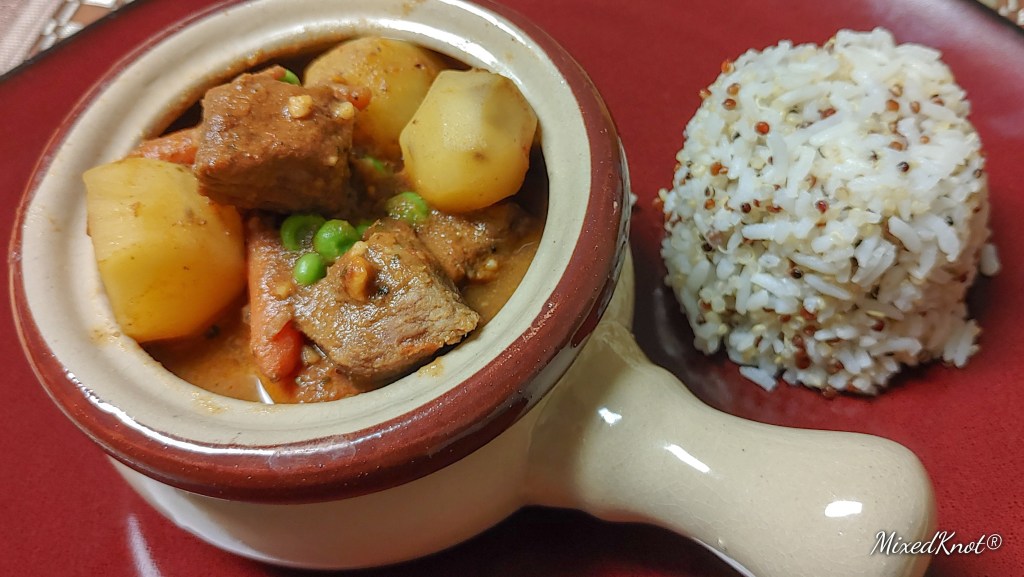
Filipino Beef Stew “Caldereta”

Beef Caldereta

Filipino Beef Stew “Caldereta”

Caldereta is a flavorful Filipino stew typically made with tender meat, vegetables, and a rich tomato-based sauce. It’s a hearty and comforting dish that is often served during special occasions and gatherings.

Here’s a basic recipe for making Beef Caldereta

INGREDIENTS:

  • 2 lbs. beef, cut into chunks (you can use beef stew meat)
  • 2 tablespoons cooking oil
  • 1 onion, chopped
  • 3 cloves garlic, minced
  • 2 medium potatoes, peeled and cubed
  • 2 medium carrots, peeled and sliced
  • 1 red bell pepper, sliced
  • 1 green bell pepper, sliced
  • 1 cup green peas (frozen or fresh)
  • 1 cup tomato sauce
  • 1 cup liver spread (or liver pรขtรฉ)
  • 2 cups beef broth
  • 1 teaspoon paprika
  • 1 tsp sugar
  • 1 teaspoon chili powder (adjust according to your spice preference)
  • 1 bay leaf
  • Salt, soy sauce and pepper to taste

INSTRUCTIONS:

  1. Heat the cooking oil in a large pot over medium heat. Sautรฉ the onions until translucent, then add the minced garlic until cooked.
  2. Add the sugar to the pot. Add the beef chunks and cook until they’re browned on all sides. The sugar gives a perfect reddish brown color on the meat. Browning helps seal in the flavor.
  3. Pour in the tomato sauce and beef broth. Add the paprika, chili powder, and bay leaf. Bring the mixture to a boil, then reduce the heat to low. Cover and let it simmer until the meat is tender. This can take about 1.5 to 2 hours, depending on the meat used.
  4. Once the meat is tender, add the liver spread (or liver pรขtรฉ). Stir until the liver spread is fully incorporated into the sauce.
  5. Add the potatoes and carrots to the pot. Simmer until the vegetables are tender.
  6. Add the sliced bell peppers and green peas. Let the stew simmer for a few more minutes until all the flavors meld together.
  7. Season the Caldereta with salt, soy sauce, and pepper to taste. Adjust the seasoning according to your preference.
  8. Once everything is cooked and the flavors have melded together, serve the Caldereta hot over steamed rice.
  9. Enjoy the hearty and flavorful Filipino Caldereta!

NOTE:

Caldereta can also be made using chicken or pork. Adjust the cooking time accordingly based on the type of meat used.

https://amzn.to/48bH8W3

AFFILIATES DISCLAIMER

Our site may contain links to affiliate websites, and we receive an affiliate commission for any purchases made by you on the affiliate websites using such links.

We are a participant in the Amazon Associates LLC Program, an affiliate advertising program designed to provide a means for us to earn advertising fees by linking to Amazon.com and affiliated websites.
Our Homeschool Science: The Life Cycle of a Frog

Homeschooling a toddler during the pandemic transformed into an unexpectedly delightful journey for our family. As the world slowed down and traditional routines shifted, we discovered the joy of creating a learning environment within the comforting embrace of our home.

In the midst of uncertainty, we found solace in shared moments of discovery and growth. Our kids’ playroom became a hub of exploration, with everyday objects turning into educational tools. Science lessons took on new life as we embarked on imaginative adventures using household items. From observing the wonder of water’s behavior to unraveling the mysteries of magnetism with magnets from the fridge, our home brimmed with curiosity and lessons waiting to be learned.

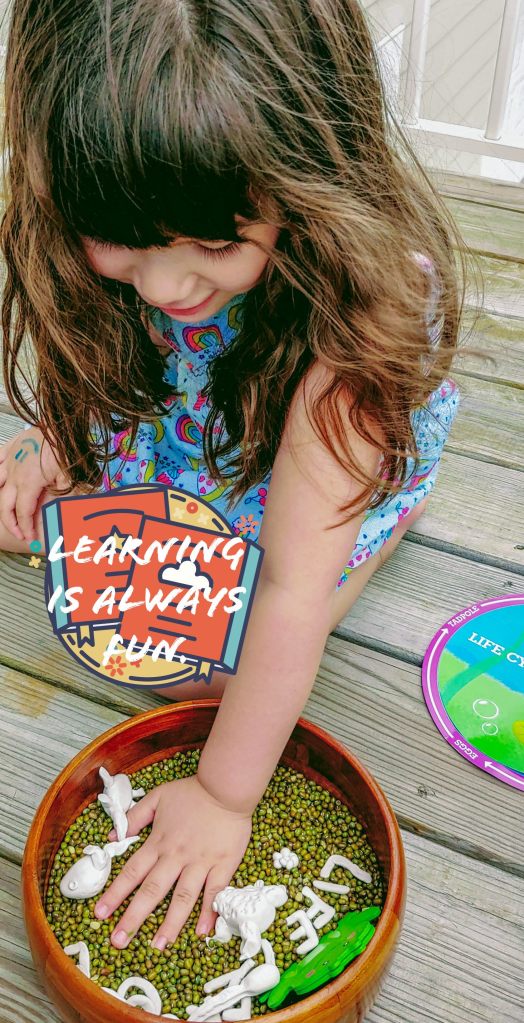
Crayola modeling clay became our magical medium, molding into intricate life stages of frogs. Each twist and turn in the process was met with enthusiasm, painting a vivid picture of transformation and growth. Through our hands, we sculpted tadpoles, froglets, and full-grown frogs, capturing the essence of metamorphosis in a tangible way that captivated our toddler’s imagination.

Mung beans, the humble legume from our kitchen, played a crucial role in our exploration. They became the lush, green backdrop for our frog life cycle tray, a miniature ecosystem where our clay creations came to life. As our mung bean “habitat” thrived, we observed the cycles of growth and change, mirroring the lessons of nature in our own hands.

What began as a response to necessity turned into a symphony of togetherness and shared experiences. Homeschooling our toddler wasn’t just about academic milestones; it became a journey of love, patience, and the joy of learning as a family. The pandemic may have brought challenges, but it also gifted us the chance to create cherished memories infused with learning, laughter, and the warmth of being together at home.

Science can be a little intimidating to teach, especially to those who do not possess the background but with a little bit of imagination and creativity. It could be a wonderful bonding experience for the entire family.

Strawberry Cream Cheese Puff Pastry Tart

Ingredients:

  • 1 sheet of puff pastry dough (thawed if frozen)
  • 4 oz (1/2 cup) cream cheese, softened
  • 1 cup fresh strawberries, washed, hulled, and chopped
  • 2 tablespoons granulated sugar
  • Powdered sugar for garnish

Instructions:

  1. Preheat your oven to 375ยฐF (190ยฐC).
  2. Roll out one sheet of store bought puff pastry on a lightly floured surface. Cut into small rectangles or squares. I usually divide it to make 12 rectangles. Trim the edges to create a neat shape if desired.
  3. Using a dull knife or butter knife, outline the edges of the rectangles, creating a 1/4 or 1/2-inch border on all sides. This helps after baking to push the pastry in the middle for the cream cheese and strawberry mixture.
  4. Place the puff pastry rectangles onto a parchment paper-lined baking sheet.
  5. Bake the pastry in the preheated oven.
  6. In a mixing bowl, combine the softened cream cheese and granulated sugar. Mix until smooth and well combined.
  7. When the pastry starts to puff, take the baking sheet out of the oven. Let it cool down a bit. Press the center of the pastry, leaving the borders untouched.
  8. Spread the cream cheese mixture evenly over the center of the half-baked puff pastry.
  9. In another bowl, gently toss the chopped fresh strawberries with a little extra sugar to sweeten them slightly.
  10. Scatter the sweetened strawberries over the cream cheese layer on the puff pastry.
  11. Bake until the puff pastry is golden brown and completely puffed up.
  12. Remove the tart from the oven and allow it to cool slightly.
  13. Once cooled, add one thinly sliced strawberry shaped like a heart on top.
  14. Dust the top of the tart with a sprinkle of powdered sugar. Enjoy!

This dessert combines the buttery flakiness of puff pastry with the creamy sweetness of cream cheese and the freshness of ripe strawberries. It’s perfect for a sweet treat or dessert, especially when strawberries are in season.